Lessons from Laura
| Website: | https://interactlifeline.com |
| Social: |
| Name: | Carolyn Bradfield |
| Email: |
January 2018 would have been the month Laura turned 30. Unfortunately, her journey ended on December 21, 2017, when she overdosed on Meth and died when her heart stopped and she wasn't revived in time to save her brain. Carolyn Bradfield, Laura's mother, spent January 2018 dedicated to sharing the lessons learned from her struggles in hopes it reaches, educates and touches other families.
Lessons from Laura
Back to School
Lesson from Laura by Carolyn Bradfield
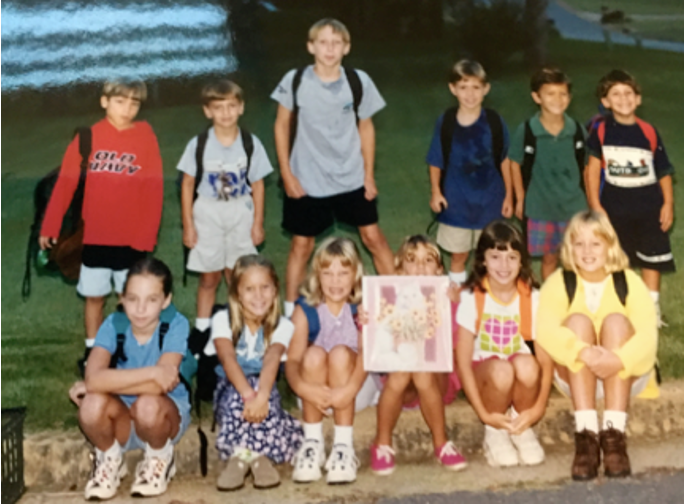
Believe it or not most of the children in Georgia are already back in school. My daughter Laura, (the one in the yellow) anxiously waited for the bus with her friends, eagerly anticipating the first day of school. She was a good student, involved in scouts and sports, but her slide into addiction began in the 9th grade ultimately taking her life last year before her 30th birthday.
Parents need to be conscious of the fact that today's school environment presents unprecedented risks and challenges
Why Teenagers Experiment
There is enough information out there from you and others to let your child know that it's wrong and dangerous to engage in drug use. However, a large percentage of middle and high school students will take the leap and try it anyway. Here are some reasons they choose to risk their health and safety.

9 in 10 people diagnosed with a substance use disorder became addicted before the age of 18
Strong desire to fit in.
There is enormous pressure on students to find a group he or she can identify with and fit into. If drugs are a part of the behavior of the group, then using with the group becomes an initiation ritual to become accepted.
Relieve anxiety or depression.
School presents a high level of social and academic stressors and for students who can't manage those stressors in a healthy way, drugs becomes their coping strategy. They represent an easy escape and a quick fix.
Satisfy their curiosity.
They've heard the rumors, now they want to experience the reality. And after all, they believe that one time won't hurt or kill them, right?
Show their independence.
If mom or dad tells them not to, then it's a sure bet that they may go in the opposite direction to assert their independence and try it anyway.
Because it makes them feel good. If they are feeling tired, anxious, depressed or bored, teenagers are looking for a way to just feel better. In their minds, drugs just make them feel good which is so much better than feeling bad.
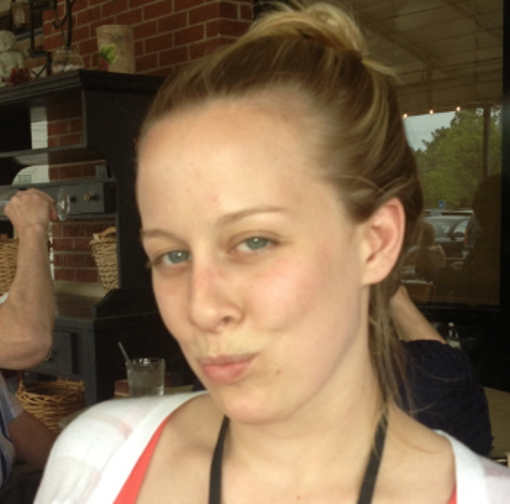
Looking at my daughter, you would never believe that she would have fit into any of those categories, but there were many things going on below the surface that I failed to recognize. As an adult, she shared with me that the leap to high school was full of stress. She wanted to be the "cool girl", hang out with the edgy crowd, and had high levels of anxiety about being in high school. She began using at age 14, became addicted quickly and had a lifelong disease she failed to manage.
My Takeaway
Your student could be the underachiever or the cheerleader. It really doesn't matter in terms of whether they will take the risk or not of following the crowd and experimenting with drugs. You should understand their stressors, their social strategy, and their desire and willingness to take risks to really understand if your child is at greater risk.
2023 Update
Had fentanyl been present when Laura was a teenager taking the risk to experiment with drugs, she would have never made it out of her teens. 6 in 10 counterfeit pills purchased by unsuspecting adolescents and young adults contain a fatal dose of fentanyl, a drug 50 times more powerful than heroin. It's killing our young people at an alarming rate - approximately 70,000 per year from a fentanyl-related overdose. Today, experimentation is not the same as it was years ago. It very well could be a death sentence for the individual that takes a pill to stay up and study for a test, or makes a purchase from social media without realizing that the drug they bought contained a deadly poison.
InterAct LifeLine
InterAct provides technology for Virtual Care and Opioid Education Programs for use by treatment programs, state and local governments and non-profits. Carolyn Bradfield founded InterAct LifeLine in 2018, shortly after her daughter overdosed and died.